


-
Impressionism: The revolution of rebellious artists
The adventurers of art at the end of the 19th century and the beginning of the 19th and the beginning of the 20th century; a saga that reads like a novel, the one of transgressions, the one of shape and colour. Here is the first episode: it tells the story of the artists who rebelled against the establishment and initiated the Impressionism in painting. Impression: Sunrise was the prescient title of one of Claude Monet’s paintings shown in 1874 in the first exhibition of the Impressionists, or as they called themselves then, the Société anonyme des artistes, peintres, sculpteurs, graveurs (the Anonymous Society of Artist, Painters, Sculptors, and Engravers). Monet…
-
META-ARTE
En las artes siempre hay dos mundos: el mundo real, el que nos rodea, y el mundo del artista, el de su obra. El autor puede contar cualquier historia, desde la más realista a la más inverosímil, pero cuando estamos delante de una obra de arte establecemos un pacto con él, bajo el cual nos creemos todo lo que nos cuente o muestre. La metaficción es romper ese pacto, romper esa realidad ficticia. El autor juega con la realidad y la ficción, mezclándolas, introduciendo la realidad en la ficción, o viceversa, hasta desdibujar los límites de su creación. La metaficción le recuerda a uno que estamos ante una obra irreal,…
-
雕刻轮廓
毫无疑问,拉斐尔在文艺复兴时期的艺术中扮演着举足轻重的角色。如果没有拉斐尔笔下那美丽的圣母玛利亚,没有胖胖的小天使,我们都没办法想象那个时代会变成什么样子。 但是,拉斐尔的才华绝非仅限于绘画,他在再生的发展过程中也发挥着重要的作用。尽管拉斐尔自己并没有创作过再生版画,但他为雕塑家马康托尼奥雷蒙迪的雕塑创作过很多绘画作品。拉斐尔和雷蒙迪两人共同创作了不少当时意大利最负盛名的版画,也带来了罗马的版画业的兴盛。 古腾堡印刷厂通过简易而低成本的复制,使得大众阅读得以成为可能。拉斐尔和雷迪蒙的作品则促进了艺术的流通,使得艺术得以翻出庙堂的高墙。 奇怪的是,拉斐尔只是文艺复兴时代涉猎过版画的两位伟人之一。另一位是泰坦,相比之下,就远不如拉斐尔成功了。 他们将充满活力的艺术带出教堂,这可能能够解释他们在文艺复兴时代默默无闻的原因。在文艺复兴时期,艺术的赞助者多为教堂、宫廷以及美第奇家族(意大利王国的皇族)。但是教堂和宫廷(也包括美第奇)相互交织,为了宗教之外的目的的艺术并没有太大的发展空间。而即使拉斐尔与雷迪蒙的雕刻确实是基于宗教的主题,也无法与教堂那些恢宏、生动和壮丽的绘画相提并论。 即使拉斐尔同时代的人忽视了雕刻艺术,他的作品《帕里斯的审判》对之后的艺术家,例如马奈,产生了深刻的影响。
-
Mr. Roboto: The Human Mechanics of Francis Picabia’s Art
“The machine has become more than a mere adjunct of life. It is really a part of human life…perhaps the very soul…” said the French Dada-artist Francis Picabia (1879-1952). While unbeholden to any singular artistic style, Picabia built a world out of his Transparencies and machinery or “mechanomorphs” − a world that mirrors and reveals the construction of our own. Influenced by the fast-paced grind of American industry and specifically New York life in the early 20th century, Picabia paintings display the blueprint of an ascension, of our mechanical evolution over time, and the trajectory in which we still head. They just as poignantly, if not more so, represent the…
-
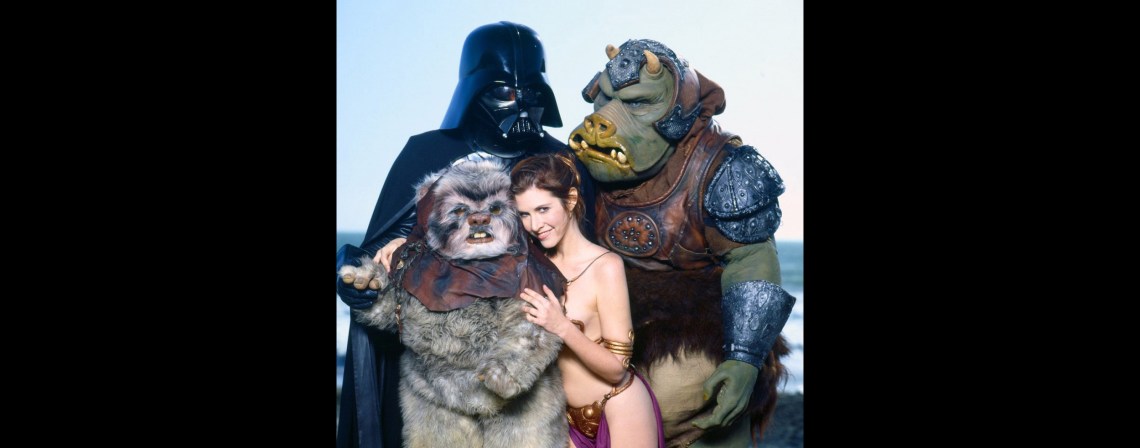
Star Wars: the fashion is strong with this one
If you consider yourself a true fashionista, any phrase starting with the words “a long time ago in a galaxy far, far away” will have you waking up screaming in the middle of the night. How far exactly is it from that little vintage shop where you go scouting every Sunday before brunch? And, even more unnerving – how long ago has it been designed? Anything before last Spring’s Fashion Week, you might just lose a few hundred Instagram followers, no matter how many pics of Starbucks pumpkin lattes you post to redeem yourself. You just got a taste of the Dark Side. But fear no more: geek is now…
-
Turquerie: Evolution of Turkish theme in European art, style
In 18th-century Europe, especially with the arrival of Ottoman embassies to the royal courts, Turkish fashion, also named ‘Turquerie,’ emerged sumptuously influencing fine arts, architecture and music. The Western world’s interest in the East is not something new. Since the Crusades, the travels of warriors, merchants and pilgrims to the towns ruled by the Turks helped to maintain this interest on slow but rational grounds. In the 14th century, the carpets weaved in Eastern Anatolia were considered luxury goods in France, the country that they were exported to and decorated the French palaces. It is enough to look at the paintings by 16th century painters such as Hans Holbein, Lorenzo…
-
别跟我朋克
在我中学的时候,我会穿着黑色牛仔裤、黑色中筒靴,热门话题生产的莱蒙斯(美国的朋克乐队)T恤和嵌着金属的腰带。狂野夏洛特(Good Charlotte)和绿日乐队(Green Day)与日俱增的名声配合着我们年轻而敏感的情怀,学校里的每一个人都穿着热门话题(热门话题是一家摇滚元素的服装店)的衣服,追求朋克造型。 随着潮流的发展,一旦有更新潮的、更酷炫的风格出现,我们便会抛弃朋克式的着装,毫不犹豫地跳进驶向潮流前线的花车之中。但是,并非每个人都像我和我的同学这般易变。对于真正的朋克来说,衣服和音乐就是他们表达个人自由和反建制思想的媒介而已。虽说朋克意味着非主流,但是主流时尚圈却吸收了朋克风格并将其应用于服装设计之中。 我非常好奇,当朋克们看着大众模仿他们的风格或范思哲(Versace)开始设计朋克服装时,他们会做何感想。我也非常好奇,那位穿着带有纳粹标志的T恤、咒骂弗雷迪·默丘里(Freddie Mercury)、胸前纹着“给我方向”的席德·维瑟斯(Sid Vicious),在得知他影响了香奈儿的设计师时,会有怎样的反应。 年轻的我仅仅因为酷炫和流行就模仿起了朋克造型,我必须承认这让今天的我很愧疚。尽管那时我穿得像一个小朋克,听着莱蒙斯、性手枪以及比利·爱多尔的音乐,但是我从未有过反建制的思想。我是想说,那年我才12岁;我尚不敢说脏话,更不要说那些激烈的社会观点了。我不是朋克,我只是一个装模作样之人。
-
Yves Klein: Beyond the Blue (Belt)
As solid fixture in modern art due to his unyielding attention to one vivid hue of blue, Yves Klein’s love for focus and discipline have a rather unexpected origin. With his parents both artists, it seems quite natural that Klein would eventually become one himself, but as a young man, the master of monochrome had more wily aspirations as a judo master. Klein moved from kick mats to canvasses in 1954 , and perhaps as a sign of his genius, he excelled famously at both. A Carlos Ray Norris (Chuck Norris if you will) prelude, Klein garnered great esteem when he became one of the first Europeans to earn a…
-
In God We Trust No More : les peintres américains des années 1930
29 octobre 1929. Le krach financier connu sous le nom de Black Tuesday (« mardi noir ») marque pour de bon la fin des Roaring Twenties et l’entrée des États-Unis dans la grande Dépression. La décennie à venir, contrecoup des « années folles » qui ont suivies la fin de la Première Guerre mondiale, sera l’une des périodes les plus sombres de l’histoire américaine. Les efforts du président Herbert Hoover peinent à contenir les conséquences du krach financier. Les banques ferment les unes après les autres, incapables de restituer les économies de tant de foyers. Pauvreté et chômage deviennent le lot commun de nombre de familles, pour beaucoup obligées d’abandonner leur maison, chassées par…
-
备受攻击的艺术
艺术能够萌芽出极大的热情。当个人的艺术作品备受推崇,人们也成为了某个艺术家的粉丝。但是,另一方面,感觉的力量也同样会激发负面的东西——很多艺术品也通常遭人憎恨。 在抗议声中,这种仇恨和愤怒常常会导致艺术品被摧毁。当领导人被颠覆,我们会经常读到有关他们的雕像被推翻的新闻。1776年,乔治·华盛顿的军队将乔治三世的雕塑做成了武器——将铅融化后做成了成千上万的子弹打入了英国的内脏。在18世纪一场更加私密的抗议游行中,英国王室王子弗雷德里克·德辛格(他曾拥有一个宏伟的展厅,挂满了皇室的画像)将奥利弗·克伦威尔的画像倒挂在他的展厅中。在他死后, 这幅画被收藏在了因弗尼斯博物馆,从此以后便一直倒挂着。 尽管今天,我们更多听说的是在公共艺术长廊里的杀人狂,而五百年前正是英国当局摧毁了人民的艺术,而非保护艺术。在宗教改革及其以后,保皇派因为害怕人们会膜拜宗教艺术,攻击并摧毁了它们——这场浩劫非常彻底,仅有十分之一的英国中世纪艺术能够保留至今。 在20世纪早期,攻击艺术品是女权主义者抗议游行争取女性投票权的流行方式。她们将目光投向了1913年至1914年之间的英国绘画,选择男性艺术家所做的理想的、令人崇敬的女性形象,由此,与现实生活中对女性的虐待形成鲜明的对比。 艺术画廊的主管曾想要阻止女性进入,而愤怒的女权主义者的抗议方式显然触及到了要害。破坏艺术品总是能够激发愤怒和引发关注,由而成为了抗议者发出声音的有效途径。到了20世纪80年代,艺术品仍然是女权主义运动的攻击目标,在1986年的国际妇女节,艾伦·琼斯的《椅子》便被破坏。 过去的日子见证了英国破坏艺术浪潮的复苏,继女权主义者之后的男性维权组织“为公平而战的父亲”以独立的抗议运动为诉求,攻击破坏泰特现代艺术馆的罗斯柯。在最近几个月,一幅警察的画像和一幅英国女王近期的画像都被胶上了“求助!”的标语。

This is an interactive art blog in multi languages, you will find new articles on artists, art history, exhibitions, etc. Contributions welcome.




You must be logged in to post a comment.